Buyer's guide · LED face masks
LED Face Masks Compared (2026): Top 10 Masks on Fit, Power, Wavelengths and Dose
Disclosure: there are no affiliate links on this page today. When partner links go live later, we may earn a commission if you buy through them, at no extra cost to you, and we'll label those links clearly. Nobody paid for placement here, and we didn't receive free devices.
Short answer: the masks worth shortlisting do three things well. They use red (about 630–660 nm) plus near-infrared (about 830–850 nm) light, they publish a real power density (mW/cm² at the skin, not just an LED count), and they fit your face closely so that power actually lands. Then do the dose math. Skin-focused notes put a mask's sweet spot at roughly 5–9 J/cm² per session. A stronger mask isn't better if it pushes you past that window. A weak one isn't a bargain if you'd need half an hour to get there.
Jump to the Top 10 comparison table →
Why most mask comparisons miss the point
Most mask listicles compare LED counts, number of modes and how the mask looks in a selfie. Those details aren't useless. But the thing that decides what your skin actually receives is the dose: how much light energy lands on each square centimetre in one session.
Dose (J/cm²) = power density (mW/cm²) × time (seconds) ÷ 1,000. We explain the formula, the skin and deep-tissue bands, and why “more minutes” can backfire in Red light therapy dosing: the Goldilocks rule. For masks the short version is this: light follows a biphasic response, so there's a window that works. Research summaries we rely on put skin goals at about 2–10 J/cm², and mask-specific notes put the sweet spot at 5–9 J/cm² (wider range about 3–15). They report little benefit below about 1 J/cm² and a risk of irritation or dryness above about 25 J/cm².
So the useful question isn't “which mask is strongest?” It's “which mask gets me into that window, comfortably, in a session length I'll actually stick to?”

And is a mask even the right device? Masks cover face skin only, at deliberately low power. If you also care about your neck, chest, joints or general recovery, a small panel may serve you better.

The four things that actually matter
1. Wavelengths: red plus near-infrared
Nearly every serious mask pairs a visible red band with near-infrared. Red (about 630–660 nm) is absorbed close to the surface, where skin-appearance goals live. Near-infrared (about 830–850 nm) goes a little deeper. A research database we compiled lists 633, 660 and 830 nm among the wavelengths most often used in positive skin studies, which is why so many masks use 633 + 830 nm. Some masks add blue light (about 415 nm) and market it for blemish-prone skin. Acne is a medical condition, so talk to a dermatologist about that use. Be wary of masks advertising seven colours with no wavelength numbers at all.
2. Power density, not LED count
An LED count tells you how many lights there are, not how much light reaches you. Two masks with the same count can deliver very different power depending on the LEDs, the drive current and how far they sit from your skin. Look for a stated irradiance in mW/cm² at the skin, and ideally an independent measurement. Masks deliberately run at lower power than panels, partly for eye safety. Our notes describe typical masks as roughly 20–30 mW/cm², with outliers well above that.
3. Fit and coverage
Because power drops quickly with distance, a mask that floats a couple of centimetres off your cheeks delivers less than its spec sheet suggests. Flexible silicone masks hug the face. Rigid shells are simpler to clean but can leave gaps at the nose, jaw and forehead. Check whether it covers the areas you care about (under-eyes, jawline, neck) and whether it's comfortable enough to wear several times a week. Consistency beats intensity.
4. Session time, warranty and returns
A good mask gives a session time that matches its own power. Also check the warranty length (our notes show 1 year on budget masks and 2 years on several premium ones), the return window, and whether there's a real support channel. These change often, so confirm them on the brand's site.
Mask dose math in one table
Use your mask's stated power density at the skin, then read across. These are calculations, not measurements.
| Power density at skin | Time for 5 J/cm² | Time for 9 J/cm² | Notes |
|---|---|---|---|
| 10 mW/cm² | ~8.3 min | ~15 min | Low-power masks: longer sessions needed |
| 20 mW/cm² | ~4.2 min | ~7.5 min | Around the typical mask range in our notes |
| 30 mW/cm² | ~2.8 min | ~5 min | A 10-min session here ≈ 18 J/cm² |
| 54 mW/cm² (reported for Maysama Prana) | ~1.5 min | ~2.8 min | Strong masks hit the window fast |
Reality check: Light Therapy Insiders reported that a 10-minute Omnilux Contour session delivers about 16 J/cm². That's above the 5–9 sweet spot, and they suggested considering shorter sessions. That's their measurement and opinion (second-hand, 2025), not a test we ran, and the mask may have been updated since. Always follow the maker's instructions first, and don't stack extra sessions to “catch up”.
Top 10 LED face masks compared
These are the ten masks that come up most in buyer searches and in our research notes, side by side. The order is not a Red Light Guide ranking. Masks 1–4 follow the order of a third-party reviewer's 2025 “gold tier” (Light Therapy Insiders); 5–10 are other masks people commonly compare, in no particular order. Where public data is thin we say so instead of guessing.
| # | Photo | Mask | Third-party note | Wavelengths | Power / dose at skin | Minutes to 5–9 J/cm²* | LEDs | Warranty | Rough price then |
|---|---|---|---|---|---|---|---|---|---|
| 1 | 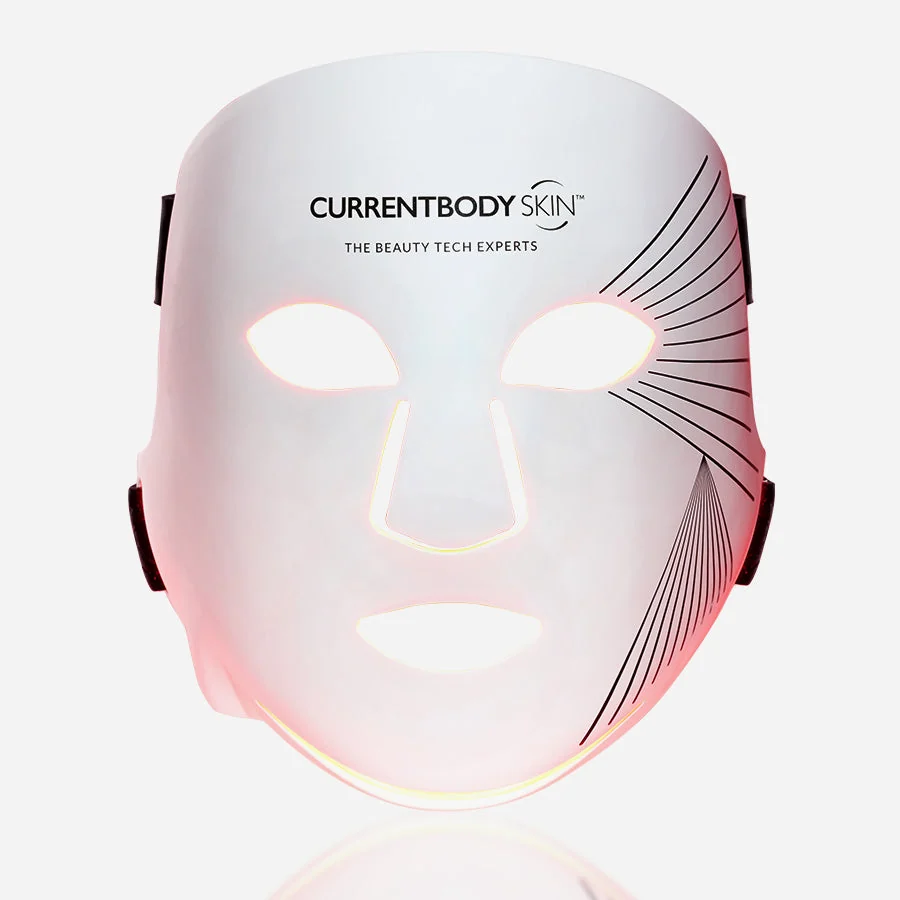 | CurrentBody Skin LED Mask Series 2 | LTI #1 “best overall”: comfort, light weight, coverage LTI-reported | 633 + 830 nm | ~35 mW/cm² catalog est.; no independent figure in our notes | ~2.4–4.3 (if est. holds) | 160 catalog | 2 yr catalog | ~$449–469 |
| 2 |  | Maysama Prana | LTI “highest power” mask tested LTI-reported | verify | 54 mW/cm² LTI-reported | ~1.5–2.8 | 800+ LTI-reported | verify | ~$340 |
| 3 | 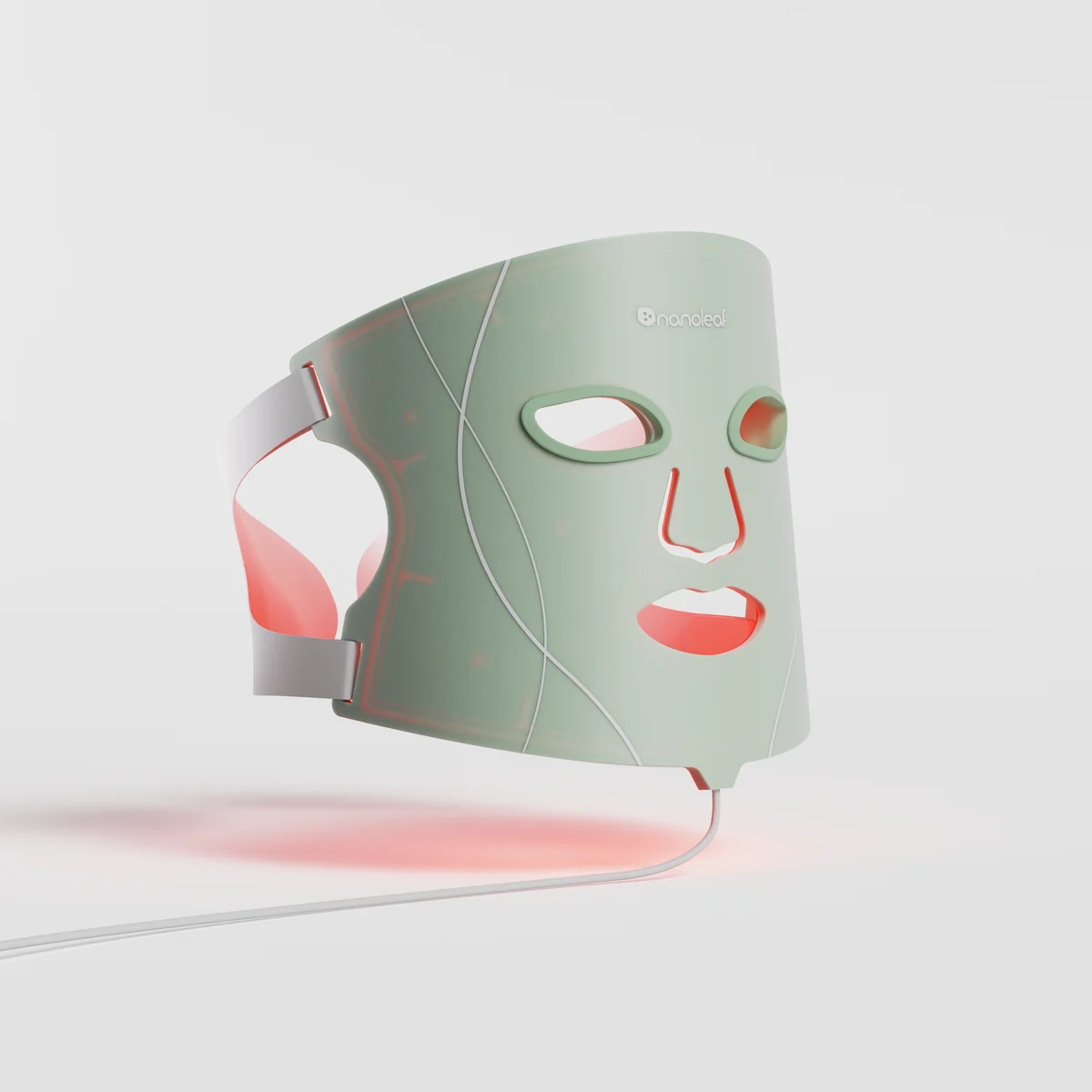 | Nanoleaf red light mask | LTI “best value”; 7 modes LTI-reported | verify | verify | — | verify | verify | ~$250 |
| 4 | 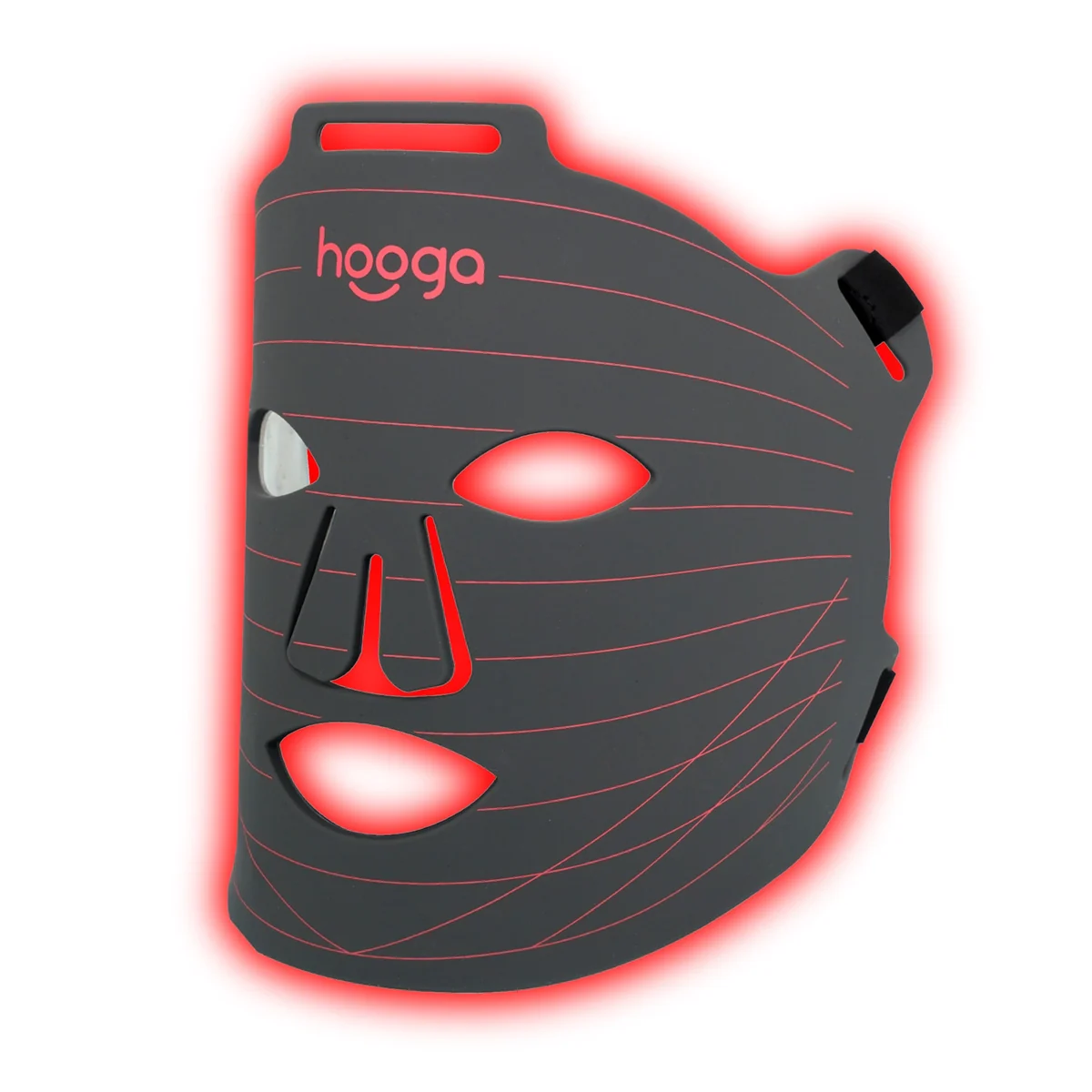 | Hooga HG face mask | LTI “budget pick”: proven wavelengths, strong dose for the price LTI-reported | 630 + 660 + 850 nm | ~35 mW/cm² catalog est. | ~2.4–4.3 (if est. holds) | 150 catalog | 1 yr catalog | ~$150–159 |
| 5 | 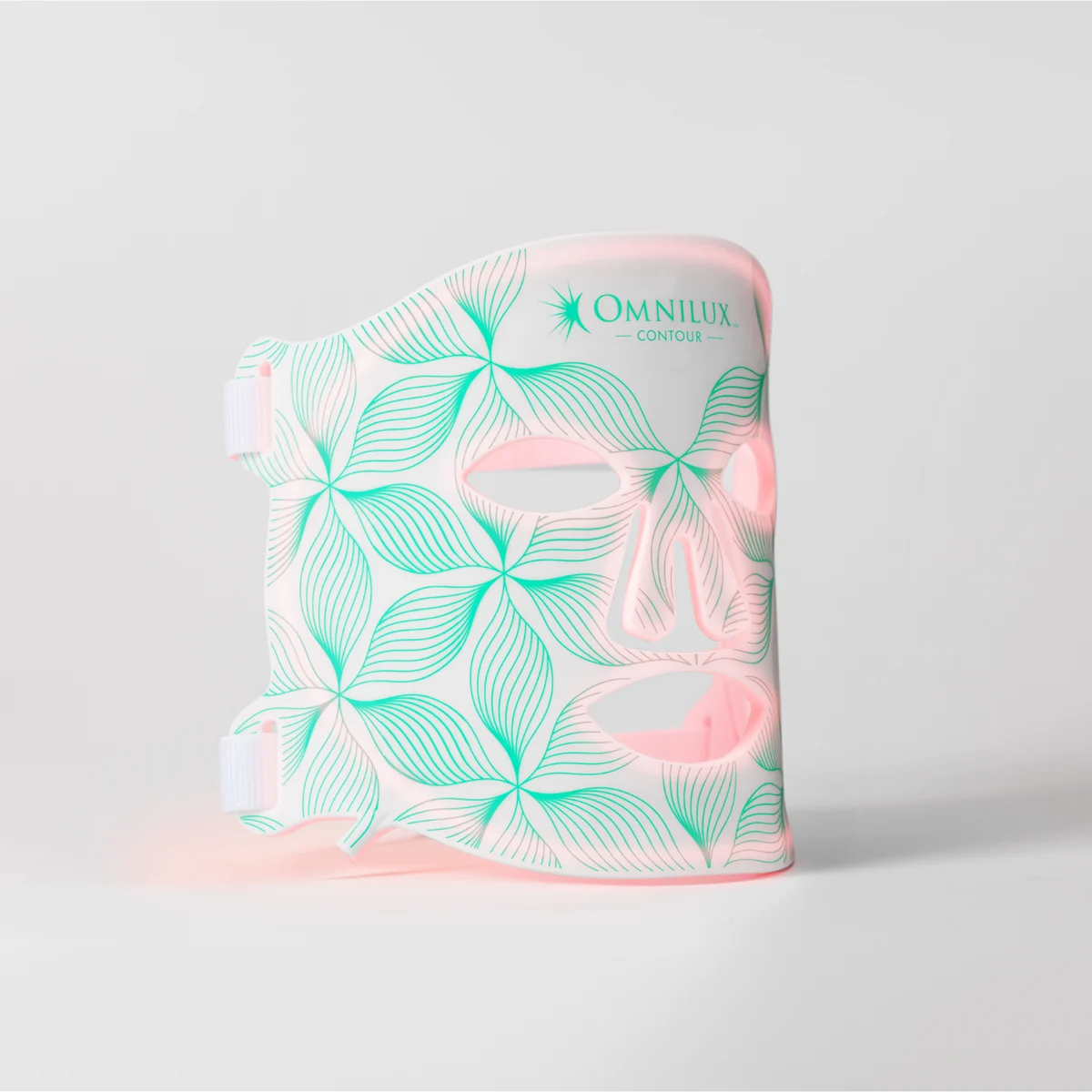 | Omnilux Contour Face | LTI scored 60.5/100, mainly for design age LTI-reported | 633 + 830 nm | ~16 J/cm² per 10-min session LTI-reported (implies ≈27 mW/cm², our arithmetic) | ~3.1–5.6 | 132 catalog | 2 yr catalog | ~$395 |
| 6 | 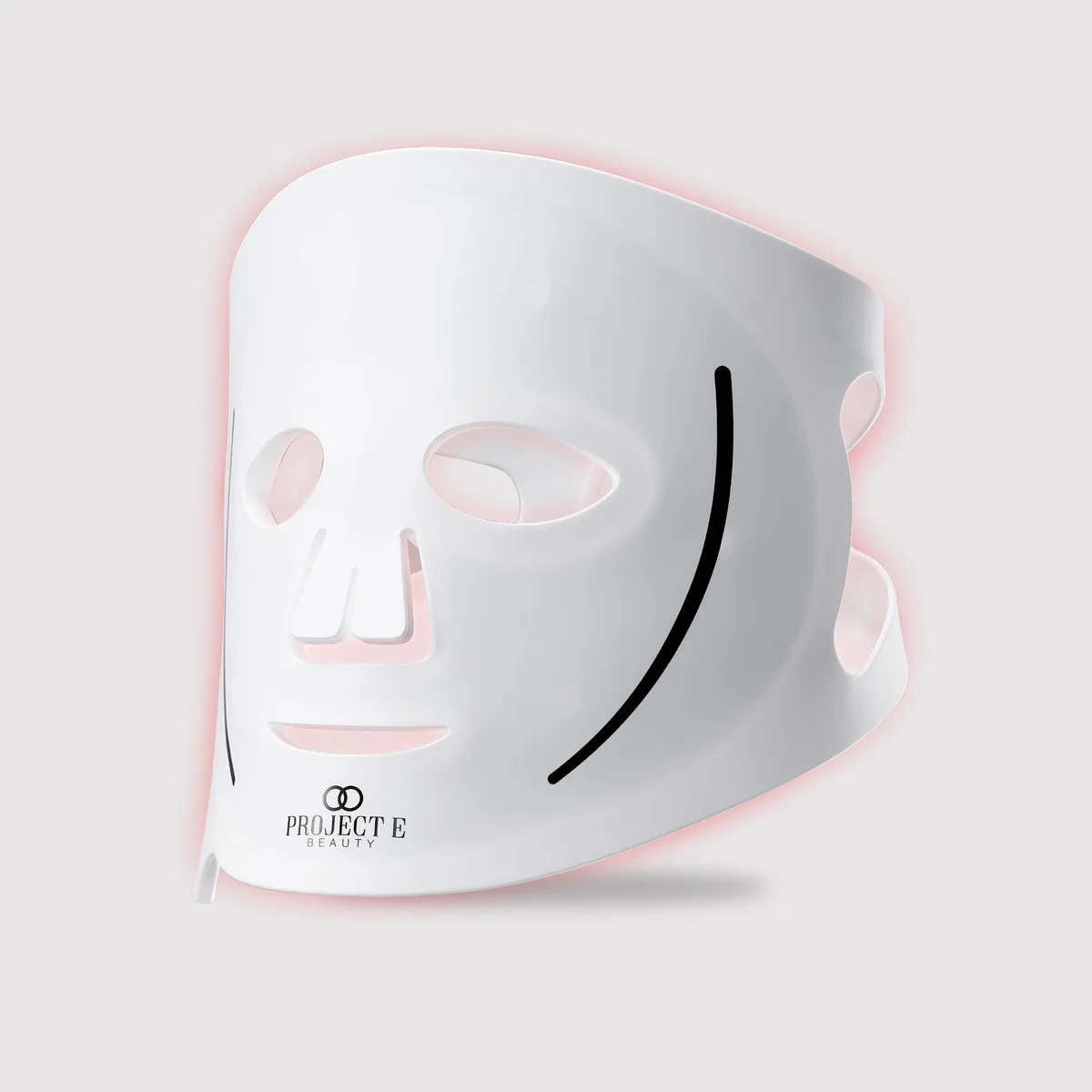 | Project E LumaLux | LTI “other notable” LTI-reported | verify | verify | — | ~800 LTI-reported | verify | ~$314 |
| 7 | 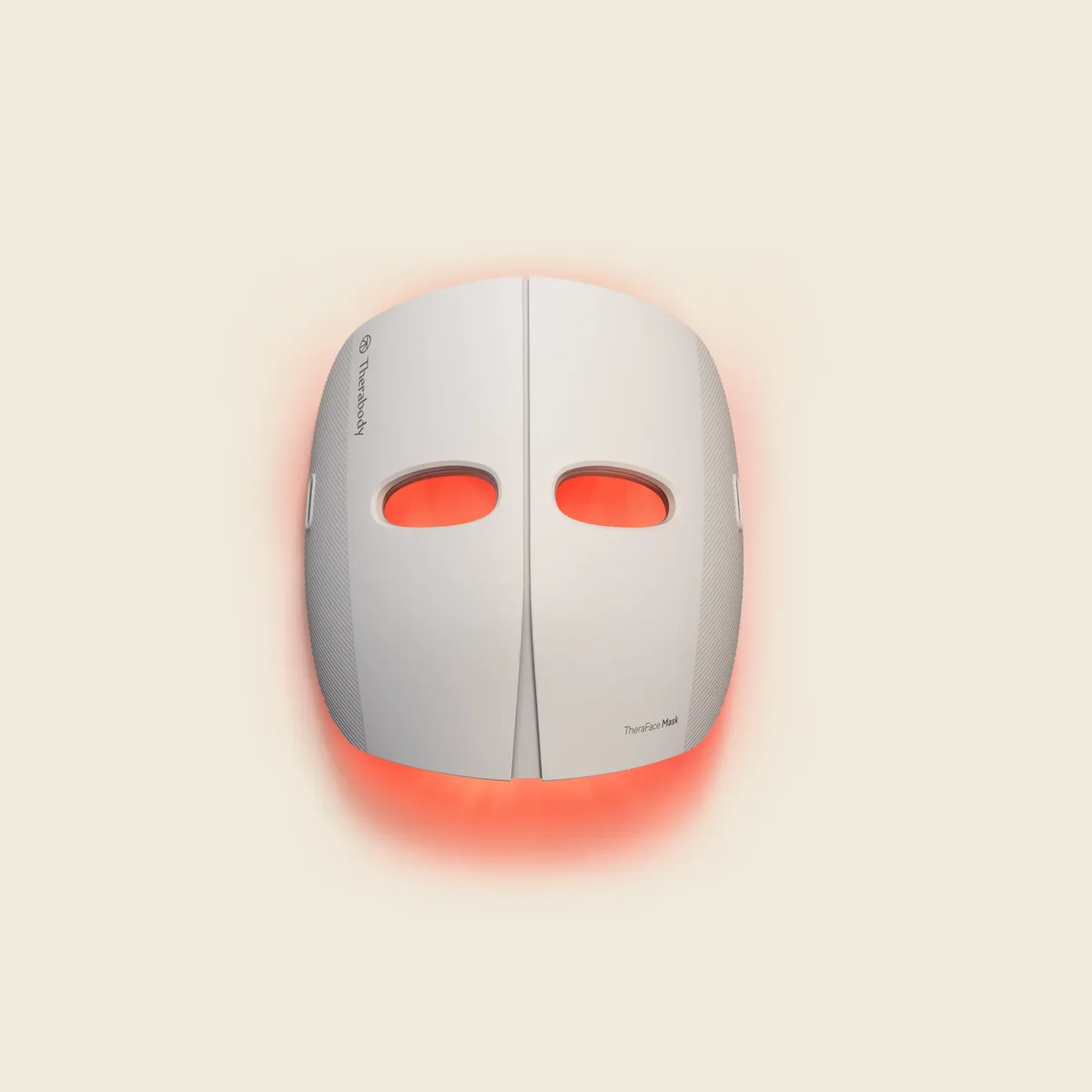 | Therabody TheraFace mask | LTI “other notable”, wider coverage LTI-reported | verify | verify | — | 648 LTI-reported | verify | verify |
| 8 | 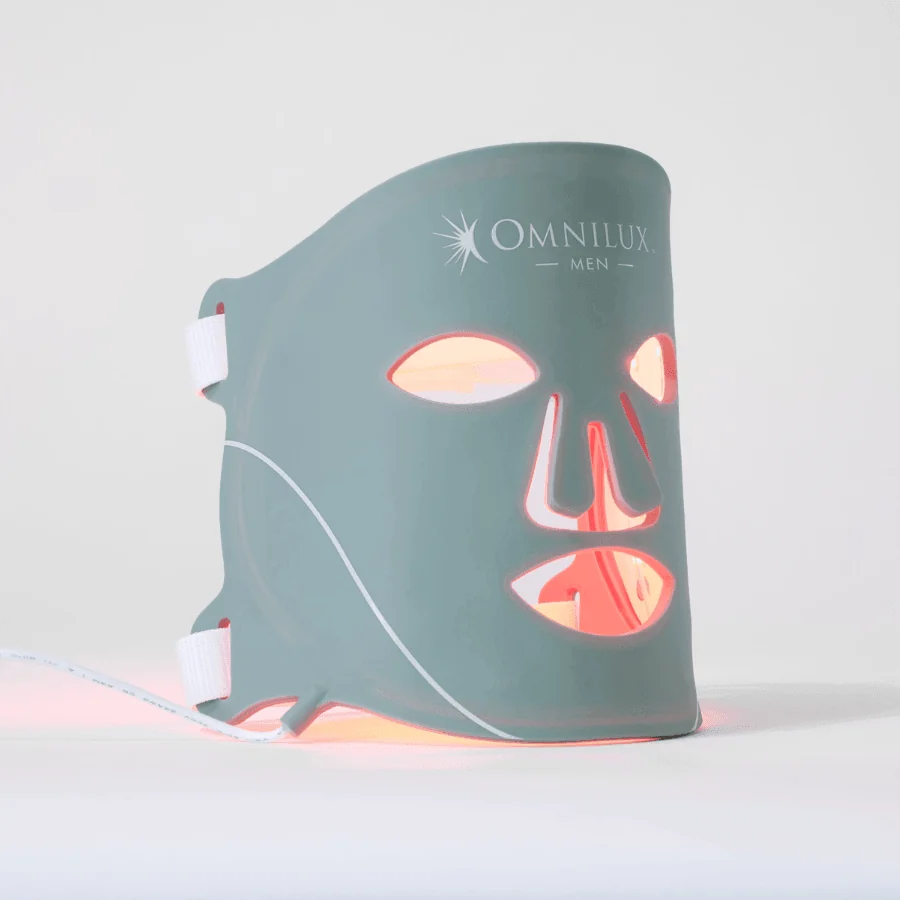 | Omnilux Men | Not scored in our notes | 633 + 830 nm | verify | — | verify | verify | ~$395 band |
| 9 | 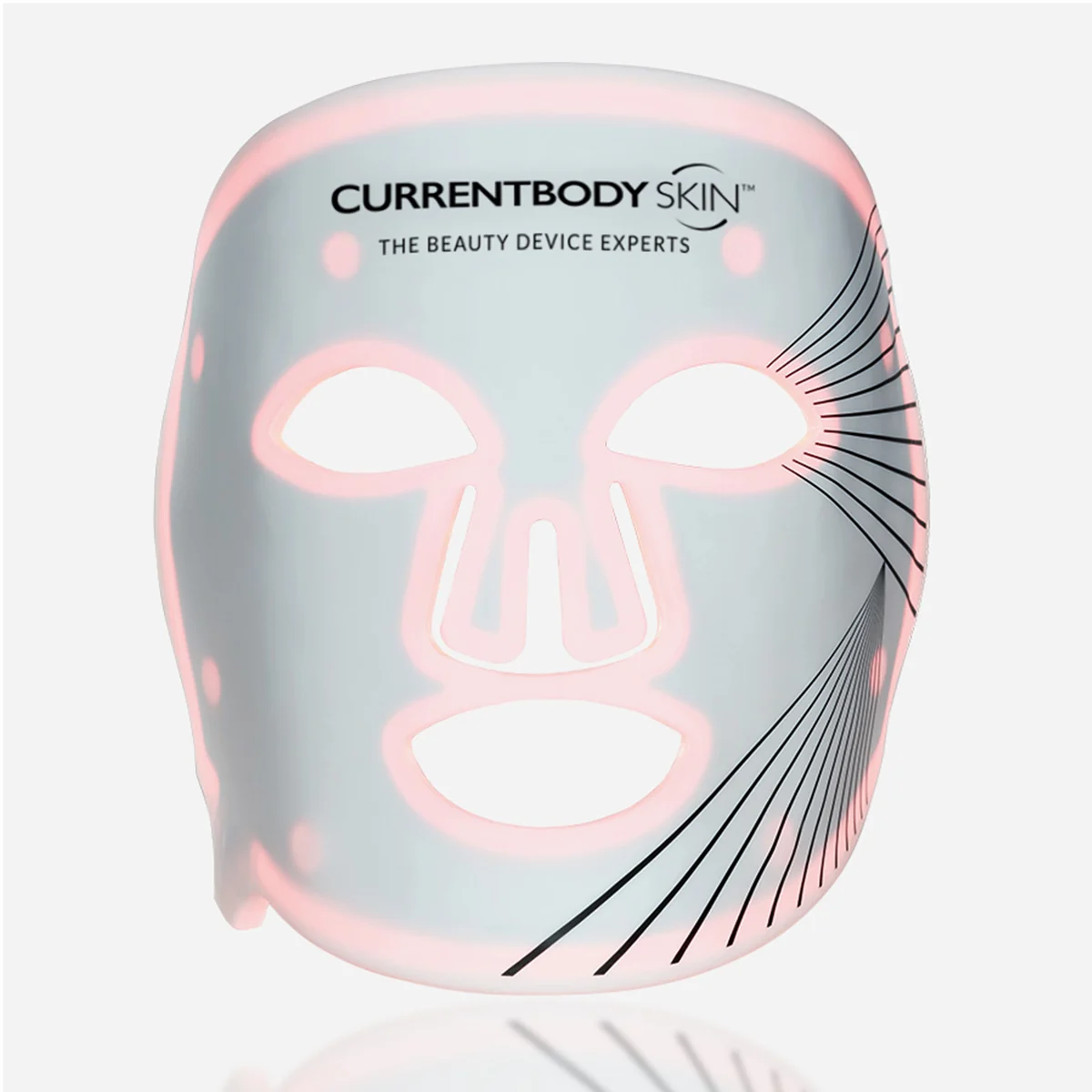 | CurrentBody Skin LED Mask (original) | Earlier generation of #1; may be discontinued | 633 + 830 nm | ~30 mW/cm² catalog est. | ~2.8–5 (if est. holds) | 132 catalog | 2 yr catalog | ~$349 |
| 10 | 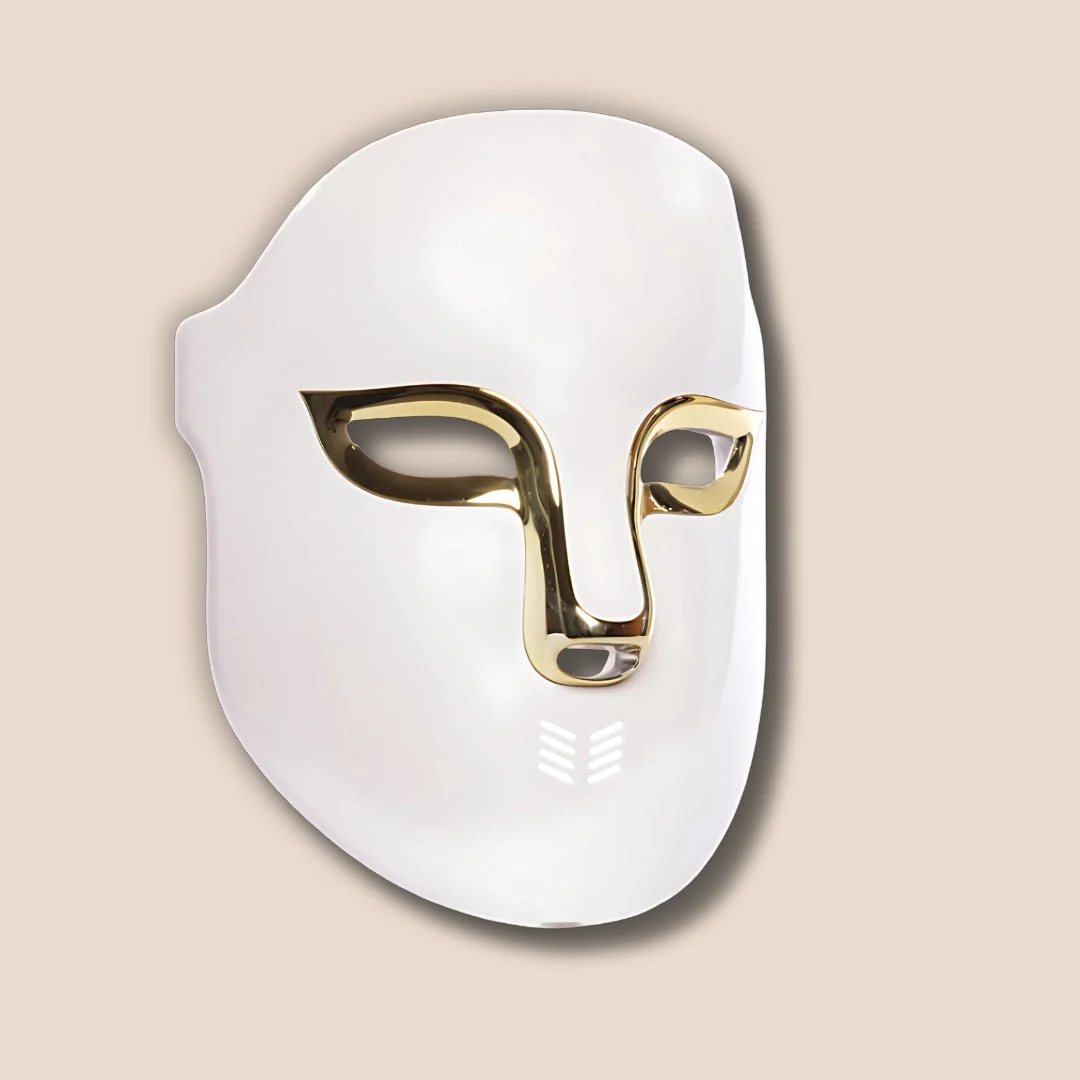 | EvenSkyn Mirage | Named as a facial-device example in our research overview; not scored | verify | verify | — | verify | verify | verify |
Quick notes on each mask
1. CurrentBody Skin Series 2
Why people shortlist it: the reviewer's best-overall pick for comfort and coverage, with the classic 633 + 830 nm pairing.
Verify: a measured mW/cm² at the skin (our only figure is a catalog estimate), current LED count and the session time it recommends.
2. Maysama Prana
Why: the strongest mask in the reviewer's test, so it reaches the 5–9 J/cm² window in under 3 minutes.
Verify: wavelengths (missing from our notes) and warranty. With a strong mask, don't default to its longest program.
3. Nanoleaf
Why: the reviewer's value pick.
Verify: almost everything: wavelengths, power, LED count and warranty are gaps in our notes.
4. Hooga HG
Why: the budget pick, and it lists three wavelengths (630 / 660 / 850 nm).
Verify: measured power (ours is a catalog estimate) and the 1-year warranty, which is shorter than premium masks.
5. Omnilux Contour Face
Why: a long-established silicone mask with published brand studies.
Verify: the reviewer measured about 16 J/cm² in a standard 10-minute session, above the 5–9 window, so consider whether a shorter session suits you. Check if a newer model has replaced it.
6–10. LumaLux, TheraFace, Omnilux Men, CurrentBody original, EvenSkyn Mirage
Commonly compared, but our notes are too thin to compare them fairly on power or dose. Use the four-point checklist and the dose table below on each brand's own spec sheet.
What the third-party roundup said
In its 2025 roundup, Light Therapy Insiders ranked CurrentBody Skin Series 2 best overall for comfort, light weight and coverage. It called Maysama Prana the highest-power mask, Nanoleaf the best value and Hooga the budget pick. It scored Omnilux Contour Face lower than expected, mainly because of the design's age. Their criteria were fit and ease of use, wavelengths, spectrometer-measured power, LED coverage, and value (warranty, returns, reputation). That's a sensible checklist, but the scores and measurements are theirs. Treat them as one informed opinion from 2025 and check whether a newer generation has replaced any of these models.
How to use this list
- Comfort and coverage first: a flexible, close-fitting mask you'll wear 3–5 times a week beats a stronger mask that sits in a drawer.
- Want short sessions: a higher-power mask can reach 5–9 J/cm² in a few minutes. Resist the urge to run its longest program.
- On a budget: a cheaper mask with clear red + NIR wavelengths and a stated power density beats a pricier one with vague specs. Just budget for longer sessions if its power is low.
- Neck and jawline: some brands sell separate neck pieces. If you have a thyroid condition, ask your clinician before putting light over the front of your neck.
Red flags when shopping
- No wavelength numbers, just “seven healing colours”.
- LED count or “watts” quoted but no mW/cm² at the skin.
- “FDA-approved” wording. Masks may be FDA-cleared for a specific indication, which is different. Look up the exact model in the FDA 510(k) database.
- Before-and-after promises, or claims to treat or cure skin diseases.
- Session times far longer than the dose math supports for its stated power.
- Short warranty and no clear return window on an expensive device.
Safety first: who should check before using a mask
Eyes: keep them closed and use the maker's eye shields or goggles. Near-infrared is invisible but still reaches the eyes. Don't use a mask after recent eye surgery or with an eye condition unless your ophthalmologist agrees.
Talk to a clinician or pharmacist first if you:
- take light-sensitising medicines or skincare: retinoids (tretinoin, isotretinoin), certain antibiotics such as tetracyclines, St John's wort, and others
- are pregnant
- have or have had skin cancer, or have any changing or suspicious spot (never shine light over it)
- have a light-sensitive condition (such as lupus or porphyria) or light-triggered seizures, which matter especially with pulsing modes
- have a thyroid condition (if you're using a neck attachment), or an implanted electronic device
Normal, short-lived effects in our notes include mild warmth and temporary redness. Persistent redness, dryness or irritation can mean you're overdoing it: cut the session time, and stop and get advice if it continues.
Where to buy
We'll add vetted links once we've confirmed current pricing and partner terms. For now, check the brand's own site, compare the current model generation, warranty and return window, and buy from the brand or an authorised retailer.
Get the free Dosing Cheat Sheet
One printable page: the dose formula, skin vs deep bands, the distance rule and the “too much” warning signs. Plus a short, occasional email with one practical tip. No spam.
By signing up you agree we email you the cheat sheet and occasional Red Light Guide tips. Double opt-in — confirm the email we send. Unsubscribe anytime. You can also read the cheat sheet online. Educational only, not medical advice.FAQ
What is the best LED face mask?
There isn't one best mask for everyone. Shortlist masks that use red (about 630–660 nm) plus near-infrared (about 830–850 nm), publish their power density at the skin, fit your face without big gaps, and give a session time that lands around 5–9 J/cm². A widely followed third-party reviewer (Light Therapy Insiders) ranked CurrentBody Skin Series 2 best overall in its 2025 roundup. That is their ranking, not ours; we have not tested masks ourselves.
How long should I wear an LED face mask?
Long enough to reach your target dose, not longer. Time in seconds = target dose (J/cm²) × 1,000 ÷ power density (mW/cm²). At 20 mW/cm², 5–9 J/cm² takes about 4–7.5 minutes; at 50 mW/cm² it takes under 3 minutes. If the maker gives a session time, start there and don't stack extra sessions.
Are LED face masks safe for your eyes?
Masks run at lower power than panels, but red and near-infrared light still reach the eyes, and near-infrared is invisible. Keep your eyes closed, use the eye shields or goggles the maker supplies, and don't use a mask after eye surgery or with an eye condition unless your eye doctor agrees.
Can I use an LED mask with retinol or tretinoin?
Retinoids and some medicines (for example certain antibiotics, isotretinoin and St John's wort) can make skin more light-sensitive. Our research notes advise pausing light-sensitising skincare before starting and checking with your prescriber or pharmacist about medicines. Start on clean, product-free skin.
Is an FDA-cleared mask FDA-approved?
No. FDA clearance (510(k)) is a different, narrower process than approval, and it covers a specific indication for a specific model. If a brand says its mask is cleared, look the exact model up in the FDA 510(k) database before relying on it.
Do LED face masks actually work?
Research on red and near-infrared light for skin appearance is promising but mixed in quality, and results depend on dose and consistent use over weeks. Masks are cosmetic devices. This guide is educational, makes no claim that any mask treats or cures a skin disease, and is not medical advice.
Sources
This page is a second-hand synthesis. Device rankings, the Maysama power figure, the Omnilux dose figure and LED counts marked “LTI-reported” come from Light Therapy Insiders (Alex Fergus) via our research notes (through January 2026). Wavelengths and rough prices come from our internal device notes from the same period and need re-checking on each brand's site. We have not run device, spectrometer or skin tests of our own.
- Huang Y-Y, Chen AC-H, Carroll JD, Hamblin MR. Biphasic Dose Response in Low Level Light Therapy. Dose-Response, 2009 (PMC): why a dose window, not a maximum.
- Light Therapy Insiders (Alex Fergus): 2025 LED mask roundup, mask dose window (5–9 J/cm²), Omnilux session dose and Maysama power figure (via our notes, not re-verified line by line).
- FDA 510(k) Premarket Notification database: where to check a specific mask's clearance and indication.
- Red Light Guide research notes: RLT comprehensive overview and research database (internal compilations of published studies) for wavelength usage, skin protocol and contraindications.